|
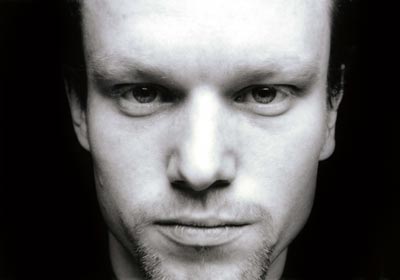
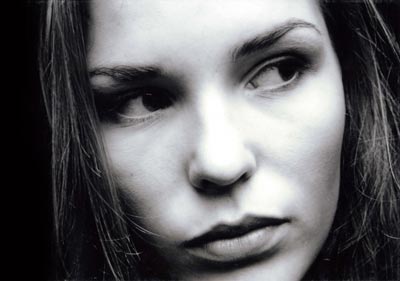
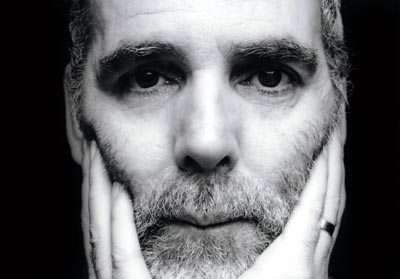
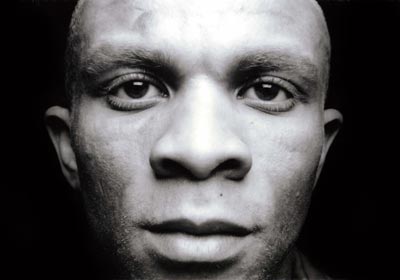
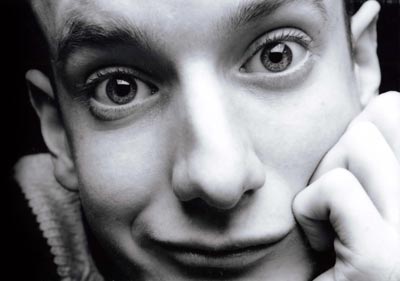
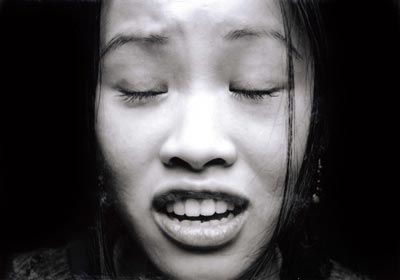
I took these photographs when I was 16 years old, at Bournville School of Art. I used just one light with a softbox, directly above the subject. There’s something about a big softbox that make everything look good. Use a big camera, with big film, and I’d be onto a winner, I thought. Actually, that’s not necessarily always the case, but it was my reasoning behind taking these photographs. The course director, John Hodgett, said something to me that I’d remember for a long time. He said, “It’s not just what you do photograph, it’s also what you don’t photograph.” I’ve given that same advice to others, not just photographers. Insert any word in the place of “photograph” and the advice is still sound: “It’s not just what you do say, it’s also what you don’t say.” or “It’s not just what you do, it’s also what you don’t do,” or simply, “What doesn’t add, detracts” I was asked why I had “cut off the tops and bottoms of the heads” by some people, including my own mother. Based on this principle of balance, of what is in the picture, and what is not in the picture, the idea was, that the beauty inherent in every human face is all that would remain. Well that may sound very art school, but we really are pre-wired to react to faces, and their expressions. They may well be the most interesting things anybody can photograph. Imagine watching a movie or a TV show without one. It would be difficult to stay emotionally engaged. For the most part, it’s how we choose a mate. A happy face can make us happy, and an unhappy one can make us unhappy, and so on. They have more of an effect on us, as a species, than any other animal. Dolphins are very smart, but it’s harder for us to tell if they are happy or sad. The fact that faces are of interest to us, is not likely to change soon. What will change, are the kinds of faces that are of interest, and the expressions that will be on them. Whether familiar, or strange, I believe that most of us would be driven to madness, if we could never see a face again. |